
UFC 319 Preview: Champion Dricus du Plessis's Path to MMA Dominance
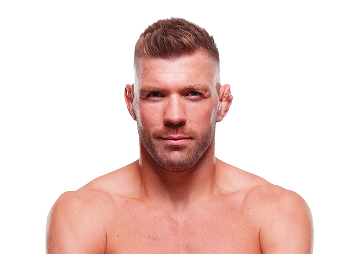
Dricus du Plessis: The Champion of Chaos, Culture, and Controversy
By Steven J. Boardman When the lights drop and the walkout music blares, Dricus "Stillknocks" du Plessis doesn't just enter the Octagon … he hijacks the moment. Some see him as the man who put South African MMA on the global map, the country's first UFC champion. Others see him as a polarizing provocateur who stirs the pot with the precision of a head kick. The truth? He's both. 2024 UFC Champion 1st South African UFC Champ 17 Age at World Title 3 Continental Titles
Roots Forged in Grit and Heritage
Born January 14, 1994, in the mining town of Welkom and raised in Pretoria, du Plessis grew up in a tight-knit Afrikaner household. His parents, Japie and Gerda, instilled discipline early, and his two brothers — Neil, now an attorney and MMA fighter, and WC, now a CEO — sharpened his competitive edge long before he stepped into a cage. Martial arts came first in the form of judo at age five. Wrestling followed at twelve, then kickboxing at fourteen. There was no YouTube instruction, no pro fight gyms around the corner. Instead, he learned from martial arts magazines, photocopied technique sequences, and tested them on his brothers in backyard sparring sessions that left the lawn scarred and his siblings bruised. Rugby, the crown jewel of Afrikaner sport, was also part of his identity. Du Plessis played through school and remains a vocal supporter of the Springboks. But while rugby taught him team grit, combat sports gave him something else entirely — the ability to impose his will, one-on-one.
From Pretoria Classrooms to Global Arenas
After high school, du Plessis attended the University of Pretoria to study agricultural economics. He excelled academically, but something gnawed at him — the sense that his real classroom was the gym. By his final year, the decision crystallized. He dropped out to fight full-time, abandoning a stable career for a profession built on bruises and paychecks that evaporated if you lost. It wasn't blind risk. By then, he was already South Africa's first WAKO K-1 World Champion, a feat he achieved at just seventeen. That title put him on the map, but it was still a long way from the UFC. In the EFC (Extreme Fighting Championship), he became a double champ — welterweight and middleweight — dominating Africa's premier promotion. From there, he jumped to Poland's KSW, winning the welterweight strap and proving his skill set translated across continents.
The UFC Arrives … and the Division Changes
In 2020, du Plessis made his UFC debut and immediately disrupted the middleweight landscape. His style is hard to coach against — a switch stance attack that blends awkward angles with ruthless finishing instincts. He's dangerous in every phase: knocking out Robert Whittaker, roughing up Sean Strickland, and submitting Israel Adesanya with a face crank that made fans squirm from their couches. By 2024, he was UFC Middleweight Champion — the first South African ever to wear gold in the promotion's history. For him, it wasn't just personal glory. It was a message: South African fighters could do more than compete. They could conquer.
Mind Games: The Adesanya Rivalry
The feud with Adesanya began when du Plessis called himself "the real African champion," a jab at African-born fighters who live and train abroad. Adesanya, born in Nigeria and raised in New Zealand, took it as an insult to his heritage. Their UFC 290 confrontation was raw, tense, and racially charged, with Adesanya throwing verbal haymakers and demanding a DNA test. Du Plessis didn't retreat. At UFC 305's press conference, he went further, pointing out Adesanya's privileged upbringing, including the presence of household staff. Cameras caught Adesanya's eyes welling with tears. For du Plessis, it wasn't just trash talk — it was psychological warfare.
Controversy by Design
Du Plessis is deliberate with his provocations. Before a title defense in Sydney, he wore a "Trump Prefers Champions" T-shirt. In a divided South Africa, where politics cut deep, it was either trolling at its finest or political theater. For him, it was both — a way to live rent-free in opponents' heads while making the internet combust. And when UFC 319 fight week took him to Chicago, he turned a ceremonial first pitch at a Cubs game into a spectacle by chasing the team mascot off the field. It was pure du Plessis: part athlete, part showman, part agent of chaos. "I was stuttering. I couldn't believe it. But it made me hungrier."
— On his parents asking if reaching the UFC top 5 was "all" he wanted to achieve
Family Pressure, Personal Fire
Behind the bravado is a streak of vulnerability shaped by family expectations. After he cracked the UFC's top five rankings for the first time, his parents didn't heap praise. Instead, they asked if that was "all" he wanted to achieve. The comment stunned him, but it became fuel. That hunger, fed by both doubt and defiance, is what drives him toward legacy.
Why Dricus du Plessis Matters
In an era where fighters are media-trained into beige soundbites, du Plessis is anything but neutral. He's unapologetically Afrikaner, unapologetically South African, and unapologetically himself. He's political, confrontational, funny, and brutally honest. He learned his craft in backyards and small gyms, built a career across three continents, and forced his way into UFC history. Love him or hate him, you will remember him. And for a fighter, that's the ultimate victory.
The Road Ahead
In August 2025, du Plessis faces Khamzat Chimaev at UFC 319 — a fight he calls "the most significant bout the division offers." If he wins, he's hinted at clearing out middleweight before moving to light heavyweight. Whatever comes next, expect it to be messy, loud, and unforgettable. That's the du Plessis brand. Chaos in motion.
About the Author
Steven J. Boardman is an investigative journalist and sports commentator covering combat sports, politics, and culture.
Related Articles

Was UFC Vegas 110 Fixed? 16 Questions That Demand Answers
I've Got Questions: About UFC Vegas 110 (And the UFC Isn't Answering) On November 1, Isaac

Epic 62 San Diego Recap: Full Fight Results & Photo Gallery
Date: Friday, August 23, 2025 | Venue: Four Points Sheraton, San Diego On Friday, August 23, 2025, Epic Fighting returned to

Predator vs. Predator: Du Plessis and Chimaev Set for Collision at UFC 319
Two men. One belt. No backup plan. When the Octagon door shuts in Chicago this August, Dricus "Stillknocks"